Introduction
Ventilation training has ended up being an important aspect of health care education, particularly due to the boosting dependence on mechanical air flow in scientific settings. As innovation progresses, so as well need to the techniques through which health care specialists are educated to operate ventilators effectively. This article explores The Future of Ventilator Training: Innovations in Education and Practice, exploring present trends, emerging modern technologies, and cutting-edge methods to education and learning that can improve the abilities and proficiencies of medical care providers.
What is Ventilator Support?
Ventilator assistance is a clinical treatment made use of to aid or change spontaneous breathing in clients who are unable to breathe effectively by themselves. This can be as a result of various problems such as respiratory failing, neuromuscular problems, or extreme infections like COVID-19. Understanding how ventilators operate is essential for medical care experts, particularly registered nurses and breathing therapists associated with ventilation training courses
Understanding Mechanical Ventilation
Mechanical air flow includes delivering breaths with an equipment called a ventilator. It can be classified right into numerous settings, consisting of:
- Assist-Control (AC): The ventilator supplies a pre-programmed variety of breaths per minute while enabling the person to launch additional breaths. Synchronized Periodic Mandatory Air flow (SIMV): This mode permits people to take a breath automatically in between mechanical breaths. Pressure Support Air flow (PSV): The ventilator provides a pre-set stress during spontaneous breaths.
Each mode has actually particular indicators based on individual needs, making it necessary for experts to comprehend the subtleties of each one.
The Value of Basic Ventilator Course
A fundamental ventilator program acts as the structure for recognizing mechanical air flow. These courses aim to furnish individuals with understanding about:
- The makeup and physiology pertinent to air passage management. How different types of ventilators work. Best techniques for keeping an eye on patient responses.
Who Must Enroll?
Healthcare suppliers such as nurses, respiratory specialists, and emergency medical technicians (Emergency medical technicians) will greatly gain from joining these programs.
Course Structure
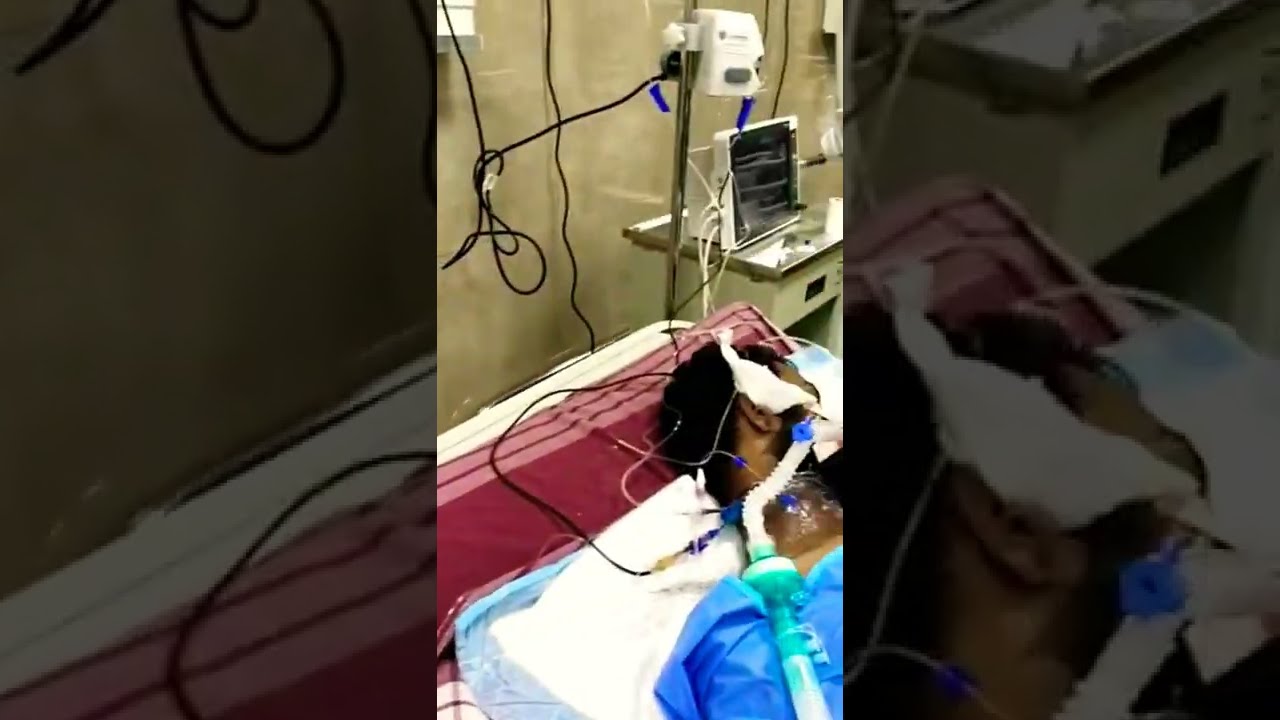
Typically, a basic ventilator program consists of both theoretical understanding and practical abilities training. Participants engage in hands-on simulations that simulate real-life circumstances including air passage management and ventilation strategies.
Ventilator Training for Nurses: Connecting Knowledge Gaps
Nurses play an integral duty in handling patients on mechanical ventilation. Thus, specialized training programs focus specifically on the needs of nursing professionals.
Key Elements of Nurse-Focused Training
Airway Management: Methods for protecting respiratory tracts safely. Ventilator Settings: Comprehending just how changes influence patient outcomes. Monitoring Parameters: Knowing what crucial indications indicate effective ventilation.Why Is This Necessary?
Given that registered nurses typically invest one of the most time with people on ventilators, appropriate education and learning furnishes them with necessary skills to respond quickly to complications or adjustments in patient condition.

Innovations in Ventilation Training Courses
Education is progressing swiftly due to technological improvements. Below's how technologies are forming the future of ventilation training courses:
Simulation-Based Learning
Simulation-based training supplies realistic circumstances where participants can practice their skills without risk to real patients. This method improves retention and confidence amongst trainees.
Benefits:
- Real-time feedback Safe learning environment Opportunities for repeated practice
Online Understanding Platforms
With the increase of telehealth and online education and learning, several institutions currently offer digital training courses concentrating on air flow management.

Advantages:
- Flexibility for active professionals Access to a bigger series of resources Opportunities for interactive conversations globally
Tracheostomy and Ventilator Training: Specialized Abilities Development
Tracheostomy care is another important aspect commonly intertwined with ventilator management. Specialized training guarantees that healthcare providers are well-appointed for this facility procedure.
Key Training Elements
Indications for Tracheostomy: Comprehending when this treatment ends up being necessary. Care Protocols: Discovering exactly how to clean up and preserve tracheostomy websites safely. Ventilator Adjustments Post-Tracheostomy: Adapting setups based on modified airway anatomy.Integration into Existing Practices
Incorporating tracheostomy treatment into existing ventilator training boosts total proficiency amongst medical professionals handling patients requiring prolonged ventilation support.
Airway Monitoring and Air flow Strategies
Effective respiratory tract monitoring is essential for successful air flow results. Clinicians need to develop thorough approaches including both step-by-step strategies and decision-making frameworks.
Common Respiratory tract Interventions
Oropharyngeal Airway Insertion Nasopharyngeal Airway Placement Endotracheal Intubation ProceduresThese treatments require not only technical skill however likewise situational recognition concerning person problems-- making extensive training indispensable.
The Role of NDIS Ventilation Training Courses
The National Handicap Insurance policy Scheme (NDIS) gives crucial support solutions, including specialized ventilation training targeted at caretakers working with people that have complex health and wellness requires related to respiratory function.
Features of NDIS Ventilation Training
Tailored web content certain to individual customer needs. Emphasis on practical demonstrations alongside theoretical education. Focus on household participation throughout care routines.Why Do Caregivers Need This Training?
Caregivers commonly handle devices while making sure comfort and safety and security for customers; hence specialized training equips them with durable understanding concerning making use of ventilators correctly.
Emerging Technologies in Airway Administration & Air Flow Education
As modern technology developments, new devices arise that improve academic methods within respiratory tract monitoring and mechanical air flow areas:
1. Digital Fact Simulations
Virtual reality (VR) offers immersive experiences enabling learners to exercise treatments repetitively without real-world consequences-- changing basic knowing environments right into interesting systems that cultivate ability procurement efficiently.
Pros:
- Enhanced interaction degrees Realistic decision-making scenarios
2. Expert System Tools
Integrating AI right into educational structures permits customized learning experiences customized according to private progress prices-- creating extra reliable paths towards mastery over crucial abilities such as running complex tools like ventilators precisely under different scenarios dealt with daily by professionals across varied setups worldwide!
FAQs about Ventilator Training
1. What need to I anticipate from a basic ventilator course?
A standard ventilator course commonly covers essential ideas like makeup relevant to air flow, kinds of mechanical ventilators offered today along with hands-on session made specifically around typical professional situations ran into regularly by wellness professionals everywhere!
2. Who takes advantage of participating in ventilation training courses?
Healthcare service providers-- including registered nurses, respiratory system therapists & & emergency medical technician personnel-- will obtain useful insights via targeted instruction targeted at enhancing proficiencies surrounding risk-free use practices!
3 What locations does tracheostomy & & ventilator training cover?
This firstaidpro.com.au specialized educational program stresses both procedural strategies ensuring risk-free insertion/removal procedures along with best-practice protocols concerning continuous care needed post-tracheostomy surgery!
4 Can I take on-line courses focused solely on respiratory tract management?
Absolutely! Many establishments currently supply adaptable digital choices covering everything from fundamental concepts with innovative methods associating directly towards taking care of air passages effectively while utilizing contemporary innovation like video conferencing systems making it possible for more comprehensive involvement opportunities than ever before before!
5 Why is simulation-based learning gaining popularity?
Simulation-based understanding promotes hands-on experience within regulated settings where trainees can make mistakes without risking client safety-- thus cultivating confidence/competence degrees needed when dealing with real-world challenges head-on later on down their careers!
6 Are there any type of certification programs available after finishing these courses?
Yes! Most reputable companies give accreditation upon effective completion validating your recently obtained skill set which you might use when seeking job opportunity within this expanding field!
Conclusion
In final thought, as we look toward The Future of Ventilator Training: Innovations in Education And Learning and Practice, it's evident that improvements in innovation coupled with a boosted focus on specialized education are essentially improving just how medical care professionals get essential skills relevant air movement management techniques & & running sophisticated devices successfully throughout critical moments impacting lives on a daily basis! By spending time/resources towards improving curricula incorporating every little thing from fundamental principles through advanced techniques tailored specifically around distinct person populaces needing specific interventions-- the entire medical community stands positioned all set deal with future difficulties head-on armed factually informed point of views encouraging them navigate intricacies integral within today's dynamic landscape surrounding breathing treatment successfully!